Google NotebookLM Review 2026: The Best AI Research Assistant
NotebookLM lets you upload documents and have AI-powered conversations about them. We test it for academic research, legal analysis, and business intelligence.

David Kim
Research analyst and AI tools specialist. Tests AI rese...
Part 1: The Hook — Zero Hallucinations. In 2026, That Is a Rare Thing
I have a habit when doing research: cross-referencing AI answers against original sources. With ChatGPT, I find detail discrepancies about 20% of the time. With NotebookLM, that rate is close to zero. Not because NotebookLM is smarter, but because it only answers questions it can find answers to in the documents you uploaded — it does not fabricate, it says "I could not find this information in the materials you provided." In an era of rampant AI hallucinations, that kind of honesty is a rare virtue.
The most visceral first-impression difference between NotebookLM and other AI tools: it is a closed knowledge base tool, not a general-purpose AI assistant. You upload something, it answers based on that. This design philosophy determines its use case: deep analysis of specific documents, not answering arbitrary questions.
Part 2: Under the Hood — Why It Does Not Hallucinate
NotebookLM technical architecture is an extreme implementation of RAG (Retrieval-Augmented Generation). It does not answer questions using general knowledge — it first retrieves relevant passages from your documents, then generates answers based on those passages, and annotates exactly which document and which location each answer comes from. This "retrieve first, then generate" architecture fundamentally limits the space where hallucinations can occur.
Audio Overview is the NotebookLM feature that surprised me most. It can transform your uploaded documents into a 10-20 minute podcast-style conversation — two AI hosts discussing the core content of the document in a relaxed way. I uploaded an 80-page technical report and the generated Audio Overview quality was genuinely impressive: it was not just reading a summary, it was actually "discussing" the content, raising questions, offering different perspectives.
Part 3: The Reality Check — It Is Not a Swiss Army Knife
NotebookLM limitations come from the same place as its strengths: it can only answer questions based on documents you uploaded. If the answer is not in your documents, it will not go find it — it will tell you it does not know. For research tasks that require synthesizing information from multiple sources, this is a real constraint.
Document upload limits are another pain point. The free version allows up to 50 sources per Notebook, with a maximum of 500,000 words per source. For large research projects, this limit will be hit. And it currently does not support direct upload of video or audio files (only YouTube links are supported).
Part 4: Survival Guide — When NotebookLM Is the Right Tool
NotebookLM is best for: academic research (analyzing papers, synthesizing literature), legal and compliance work (analyzing contracts, regulatory documents), business analysis (research reports, competitive analysis), learning (transforming textbooks into an interactive knowledge base). Not ideal for: research requiring real-time information (use Perplexity), creative writing (use ChatGPT or Claude), tasks requiring synthesis of internet-wide information.
NotebookLM — Interface Screenshots
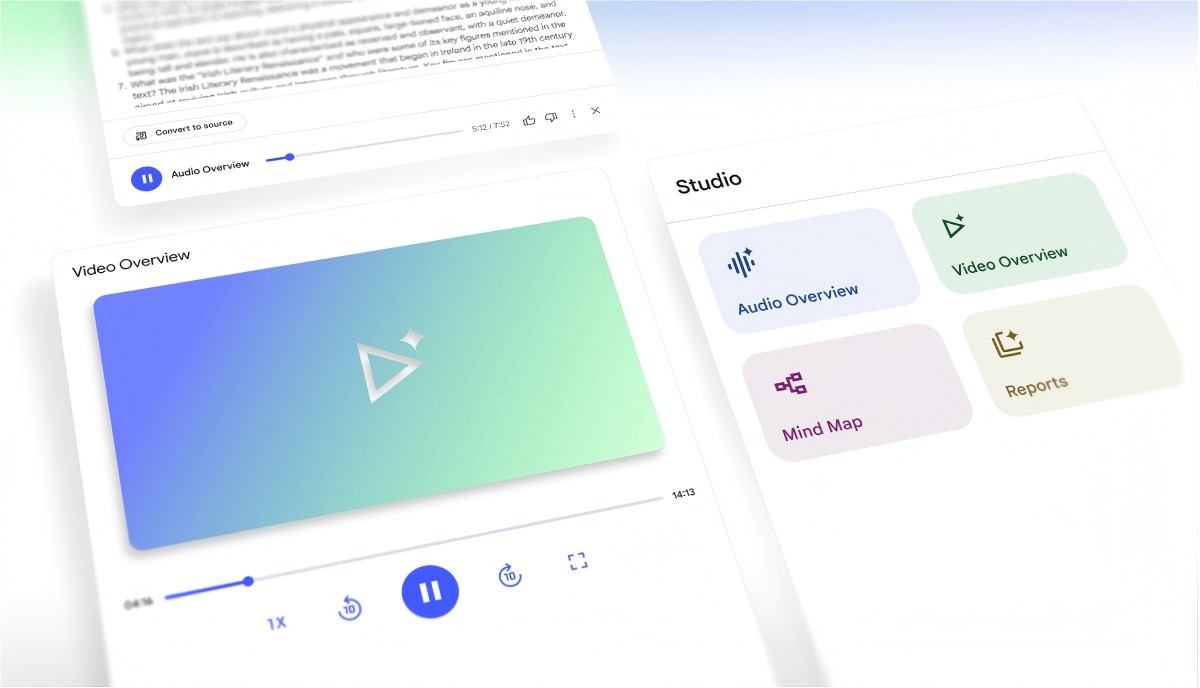
NotebookLM workspace — sources panel on the left, AI chat on the right
1 / 4NotebookLM — Performance Scores
User Reviews — NotebookLM
624 reviews
2 community reviews
Medical Researcher, Johns Hopkins
NotebookLM has transformed how I review medical literature. I upload 20-30 papers into a notebook and can ask questions that synthesize findings across all of them. The citations are always accurate.
Patent Attorney
I use NotebookLM for patent research and case preparation. The tool stays strictly within the uploaded sources — no hallucinations. For legal work, that reliability is non-negotiable.
About David Kim
Research analyst and AI tools specialist. Tests AI research tools for academic and enterprise use cases.
Clicking “Visit Official Site” takes you to NotebookLM's website. Pricing and features may have changed since this review was published.
Discussion(0 comments)
No comments yet. Be the first to share your thoughts!
You Might Also Like
More Research AI tools worth your time
Perplexity AI Review 2026: The Best AI Search Engine?
Perplexity AI has redefined how we search the web. With real-time citations and AI-powered answers, we test whether it can replace Google for research tasks.

ChatGPT Review 2026: Is It Still the Best AI Assistant?
We spent 60 days testing ChatGPT across writing, coding, research, and creative tasks. Here's our honest verdict on whether it's worth the $20/month.

Claude 3.7 Review: Anthropic's AI Is Getting Dangerously Good
Claude 3.7 Sonnet has shocked the AI world with its reasoning capabilities. We put it through 100+ tests to see if it can dethrone ChatGPT.